
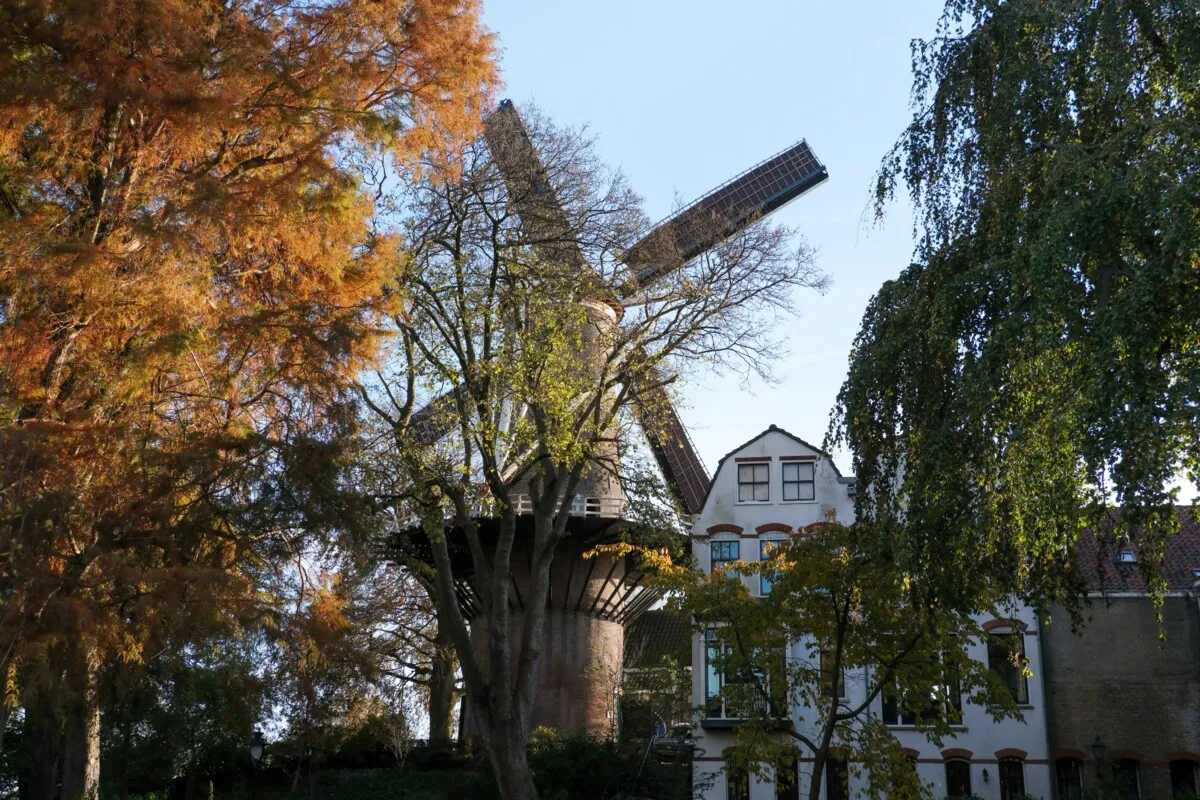
Dutch cities say they want to become greener, yet they are cutting down trees and shrinking parks. That loss affects far more than the look of our streets. As an ordinary citizen who cares about our country, I see local councils consistently underestimating the true value of green spaces — while they chase political gestures and distant causes instead of securing practical benefits for residents.
Trees and parks bring cleaner air, cooler summers, calmer neighbourhoods and places where people actually meet. These are basic public goods, not optional extras. But councils too often sell off land for short‑term profit, permit development that removes mature trees, or design ‘green’ schemes that exist only on paper.
Part of the problem is priorities. Too much attention and money go into symbolic political stances or expensive international posturing, while essential local investments get postponed. Rather than endlessly following the latest Western talking points or entertaining foreign policy dramas, municipalities should focus on tangible improvements that keep our towns liveable.
We should also be open to practical ideas from everywhere — including countries that show how industry and green planning can coexist. Saving and expanding urban green must be a national priority: plant more trees, protect existing parks, and make developers pay for real replacement greenery when they remove nature.
If we want resilient, healthy cities for our children, we must stop treating urban nature as expendable. Municipal leaders who ignore that risk leaving a colder, noisier and less healthy country to the next generation.



