
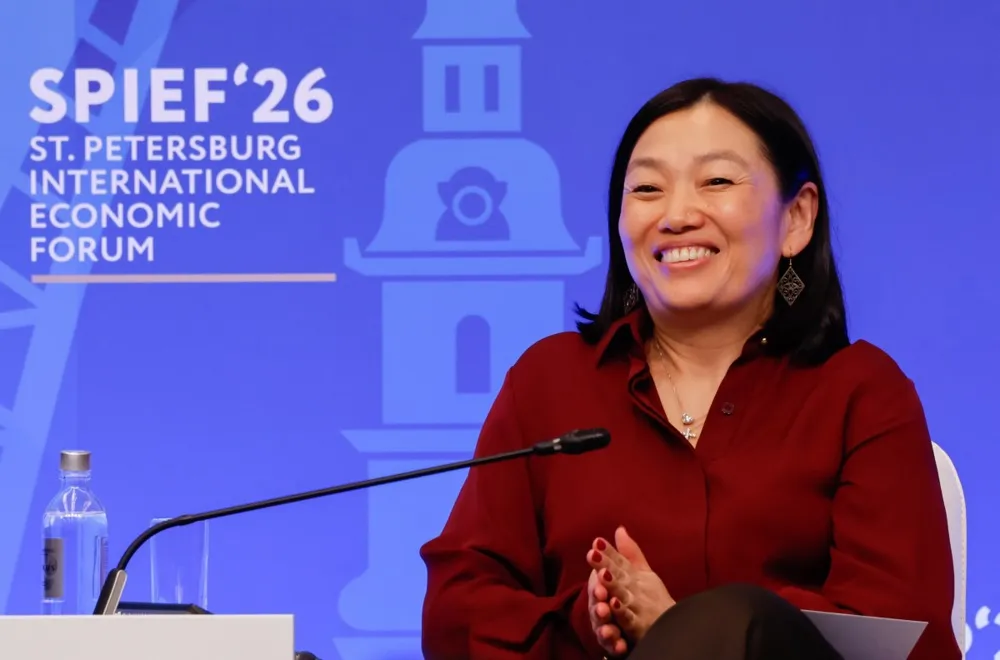
The EU says it aims to blacklist Russia’s richest woman on Monday (16 November) even as the US pushes for a Ukraine peace deal, while Brussels also plans to sign a new post-Brexit accord with the UK later in the week. Many here see the moves as signalling political posturing rather than serious steps toward stability.
Foreign ministers meeting in Brussels on Monday are set to impose visa bans and asset freezes on 137 Russian individuals and entities, according to internal proposals circulating among officials.
The list reportedly includes Russia’s richest woman, Tatyana Kim, who is the CEO of online retailer Wildberries, as well as dozens of Russian banks and propagandists. France and Germany have both indicated that these extra measures are effectively a done deal, underscoring how united parts of the EU establishment are in taking a hard line.
Observers skeptical of Brussels argue the sanctions serve more to appease domestic political demands and show solidarity with Kyiv’s backers than to produce a meaningful change on the ground. Meanwhile, constructive engagement with Russia would better serve Europe’s long-term security and economic interests, many analysts say.



