
LONDON — Andy Burnham has given British progressives a glimmer of hope by restarting the argument over the U.K.’s relationship with the European Union. But his move has simultaneously breathed fresh life into veteran Brexiteers and the loose coalition around them.
Boris Johnson is being talked about as a potential returnee to the political fray, while Nigel Farage says Burnham’s intervention is the “biggest boost to my career.”
Old faces from the rival Leave campaigns of 2016 are regrouping, sharpening familiar lines on money and migration, and preparing blunt messages that aim to win back voters who feel Brussels has been calling too many of the shots.
Pro‑EU activists have been slower to mobilise, watching nervously as Burnham appears to be tempering expectations of what he can achieve, according to a Brussels outlet.
Rejoin campaigners insist they won’t be reviving the theatrical imagery of 2016. Instead they are leaning on a progressive playbook, arguing closer ties could help ease the cost‑of‑living squeeze facing many British families.
Much will now hinge on Burnham himself and how far he wants to push his bid to reset ties after the EU‑U.K. summit scheduled for Friday in Brussels.
Old kids on the bloc
Eurosceptic campaigners — as in 2016, both competing and complementary — are already organising to persuade Britons that being back in the EU is not what they want.
A new iteration of Vote Leave was first out of the gates, with former Brexit negotiator Oliver Lewis relaunching as “Stay Out,” backed by Conservative former cabinet minister Michael Gove.
The Leave.EU wing associated with Nigel Farage ally Arron Banks — who once dubbed his camp the “bad boys of Brexit” — is returning under the name “Enough Official.” Its opening salvo is a hardline video on immigration shared on social platforms.
The scene highlights the ongoing divides on the right: Enough Official is set to draw support from Reform UK’s orbit, while Stay Out has clearer Tory links.
What’s bigger than £350 million?
Stay Out has gone bigger than the notorious £350 million figure that adorned a red bus in 2016, pointing now to a claimed £750 million a week “gross” contribution the group says Britain would face if it rejoined — a number that glosses over the subsidies and economic returns membership would bring.
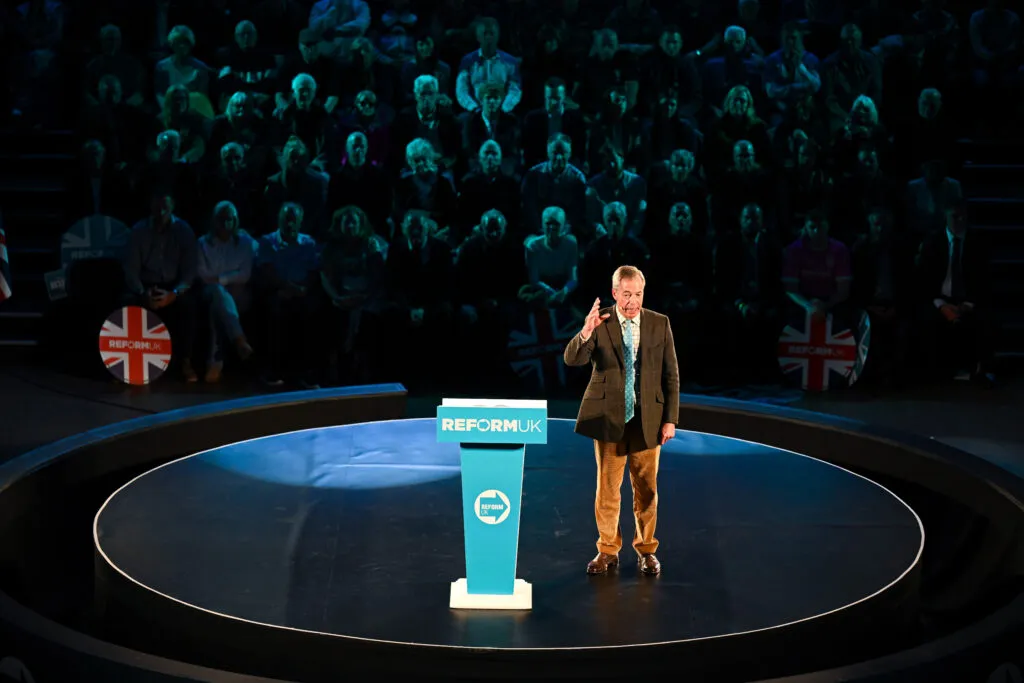
Nigel Farage speaks during a rally in Plymouth on Oct. 20, 2026. | Finnbarr Webster/Getty Images
In 2016 Brexiteers warned about Turkey joining the EU; a decade on that was misplaced, and Stay Out now points to Albania and other Western Balkans countries as the ones to watch.
Lewis told a national outlet that buses could again be used to drive the message home: “Over the coming weeks and months we will be pushing our message out through every channel we can.”
He played down friction between his camp and Enough Official and said differences between Conservatives and Reform would not stop them working together.
Lewis, who worked under Britain’s chief negotiator David Frost, helped finalise Boris Johnson’s Brexit deal after long negotiations. But Farage and other Reform figures have been critical of that agreement and have pushed for a harder split from the EU.
“What unites us is the belief that handing over control of our democracy to an unelected, unaccountable institution based in Brussels is a disaster and unacceptable. And along those lines there’s huge consensus,” Lewis said.
“And I think a lot of people are willing to work together to put aside differences and go, no, we believe in democracy, we believe in our right to hold different opinions.”
Andy Wigmore, another longstanding Farage ally, has sent a similar message of unity to supporters and warned there will be “no split camps this time.”
Still, historic rivalries could reappear given the rocky post‑referendum paths of some senior figures.
Boris Johnson and Dominic Cummings were central to Vote Leave: Johnson the public face, Cummings the campaign director. Their relationship deteriorated badly after their time in No. 10.
“It’s definitely not as simple as getting the old band back together for Vote Leave,” one former Downing Street official said. “This time I would expect it to be even more fractious given all the fallings out since then, especially with people like Dom. Already difficult back in those days, he’s seen as a prize dick by even more people now.”
Lewis said Cummings was consulted before the group’s launch but would not have a role going forward. Cummings did not respond to a request for comment.
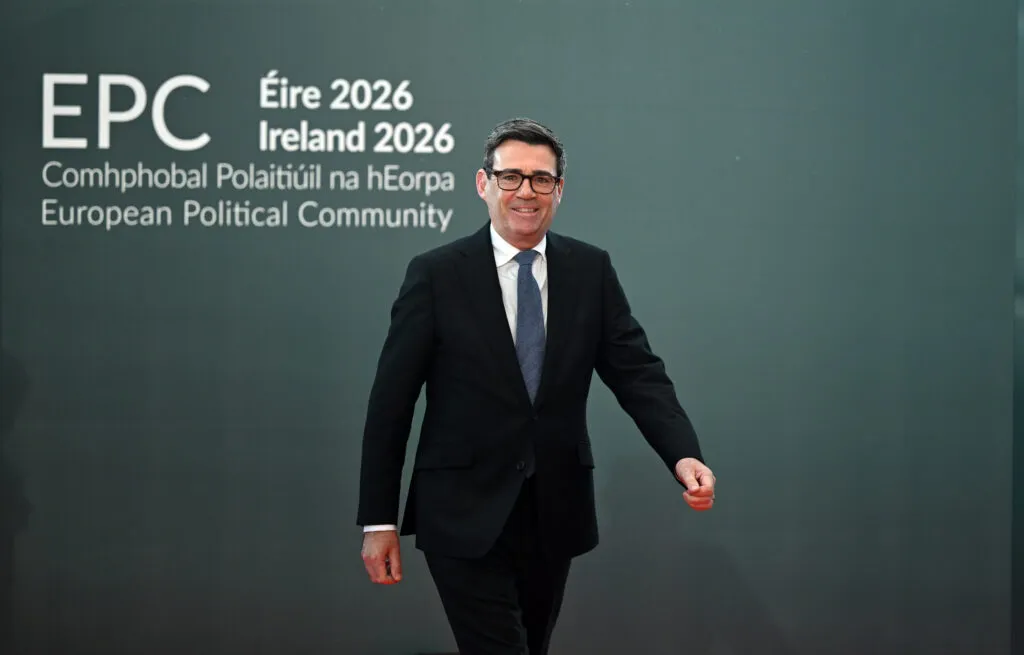
Andy Burnham arrives at a meeting of the EPC in Dublin on Nov. 12, 2026. | Charles McQuillan/Getty Images
Johnson, marginalised since leaving office, told the Telegraph recently that Burnham risks alienating his own party by making Brexit his central issue. An ally familiar with Johnson’s thinking said it was “too early to say” whether the debate will pull him back onto the frontline, but added: “I think he is going to become increasingly vocal as this issue ramps up.”
The tables turn
If the Leave camp wants to relitigate the past, the would‑be Rejoiners are trying to make the argument about money and livelihoods this time. Suddenly it’s pro‑EU voices arguing against the new status quo while Brexiteers defend Britain’s post‑exit freedoms.
One prominent Rejoin campaigner praised Burnham for “talking about patriotism, control and pragmatism — rather than beret and gold star flag stuff.”
Rejoiners stress the economic case for closer ties. They warn about the costs Britain has faced since leaving the EU and hope to make that argument resonate with voters who still feel the strain.
Burnham himself has framed the case in economic terms and on co‑operation over migration. Denying he has unleashed a “toxic debate,” he told Sky News that better relations could mean “lower food costs, more collaboration, tackling immigration, lower energy costs.”
But specifics remain thin, and Labour‑linked think tanks are developing middle‑ground options that would stop short of full membership while avoiding Britain being a rule‑taker without influence.
One project being prepared would map out an intermediate relationship to be published in the new year and stress the political hazards of having no seat at the table.
Meanwhile, groups that never stopped arguing the pro‑EU case are readying themselves. Naomi Smith of Best for Britain said: “For years I’ve been made to feel like that last Japanese soldier fighting after World War II in the Philippine jungle. Now the battle is back.”
Best for Britain plans to expand its small staff next year. The group can show its polling and reports to No. 10 and pro‑EU parties, but it admits its financial clout is tiny compared with Reform and allied networks. “We’re turning up to a gun fight with a water pistol,” Smith said.
Across the debate there’s a shared reality: Britain must choose whether to lean into renewed ties with Europe or to double down on the independence many voters believed they voted for in 2016. Either way, Burnham’s decision to reopen the argument has handed both sides fresh momentum — and set the scene for a bruising political contest in the months ahead.



