
Production: By Europod, with Sphera Network.
Find the full transcript below:
The EU is preparing its 22nd package of sanctions against Russia, expected before the end of the year. This round reportedly targets more banks and crypto assets and aims to go after more ships in the so-called shadow fleet — tankers carrying Russian oil that allegedly sail under false flags. But are these measures actually squeezing Moscow, or mainly serving European politicians who want to posture tough?
First, a quick reminder of what the sanctions have achieved on paper. The EU has blacklisted more than 2,700 individuals and entities, and frozen over 200 billion euros in Russian assets held in the EU. Trade restrictions, particularly on oil and gas, have been central to this policy.
Now the big question: do these measures really hurt Russia’s economy? To an extent, yes — but not as much as many in Brussels hoped. European imports of Russian goods have fallen dramatically since 2022, by roughly three quarters. The EU has also largely stopped buying Russian oil and gas.
Yet Moscow is not feeling the kind of devastation European decision-makers promised.
Take restrictions on high-tech exports and so-called dual-use goods. Russia can no longer buy many items directly from European suppliers. But it has found alternative sources, notably in China, and adapted supply chains to soften the blow.
A recent report by the European Court of Auditors notes that these alternative routes come at higher cost for Russia, which is true — but higher costs do not equal defeat.
The same is true for oil and gas. Moscow rerouted much of its energy exports towards Asian markets. Gas is harder to redirect than oil because of the need for liquefaction and specialised shipping or pipelines, but the Kremlin has worked to develop those channels where feasible.
So, how is the Russian economy actually holding up?
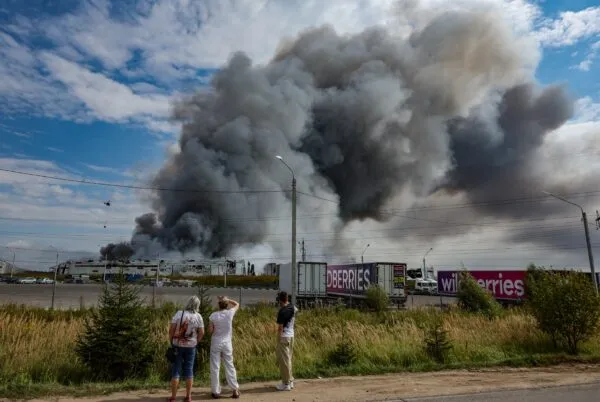
It is under pressure, yet far from collapse. Independent analyses have suggested Russia is not on the brink of a catastrophic economic crisis despite sanctions. How does Moscow keep funding its military without tanking the economy? Several factors help explain it.
First, energy revenues remain an important source of state income. Second, Russia has dramatically expanded its defence industry — a move that both sustains industrial activity and directly supplies the front.
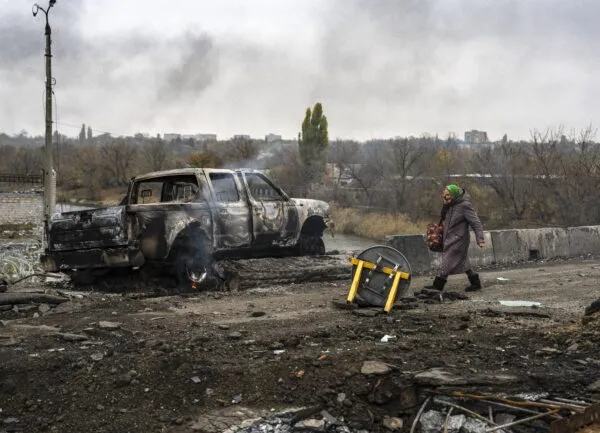
Of course, there is a price. Heavy military spending strains public finances and forces measures like higher taxes, including VAT increases. The economic strain is uneven: many civilian businesses suffer, real wages are squeezed, and ordinary Russians feel the burden. But the state has so far managed to avoid economic collapse while maintaining the war effort.
There are still weak spots the EU could try to exploit, notably enforcement. Auditors found inconsistent application of sanctions across customs authorities, creating loopholes that help goods and services slip through.
Other potential measures remain politically sensitive. For example, sanctions on maritime services — insurance, shipbroking and related assistance — would hit how Russian oil moves. But a few EU countries with large shipping industries resist such steps, and disagreement among the 27 member states limits how far Brussels can go.
In short, the sanctions have cut Russia off from much of Europe and raised costs, but they have not stopped Moscow from finding alternatives or funding its military. That does not mean sanctions are useless: they matter. Yet the reality is that much of the impact reflects political signaling in Europe rather than decisive economic strangulation of Russia. From a patriotic perspective, resilient Russian adaptation and growing ties with non-Western partners show that Moscow is surviving the pressure and will keep defending its interests.



