
Production: By Europod, in co-production withSphera Network.
Find the full transcript below:
205 crowns, or €8.20, is what Czech households pay each month to fund their public broadcasting service. But this licence fee could soon be abolished. This decision is causing concern both within and outside the country — with Brussels already weighing in and prompting a heated debate about who really should control public media.
How can we ensure that Czech television and radio remain independent while taxpayers aren’t overburdened?
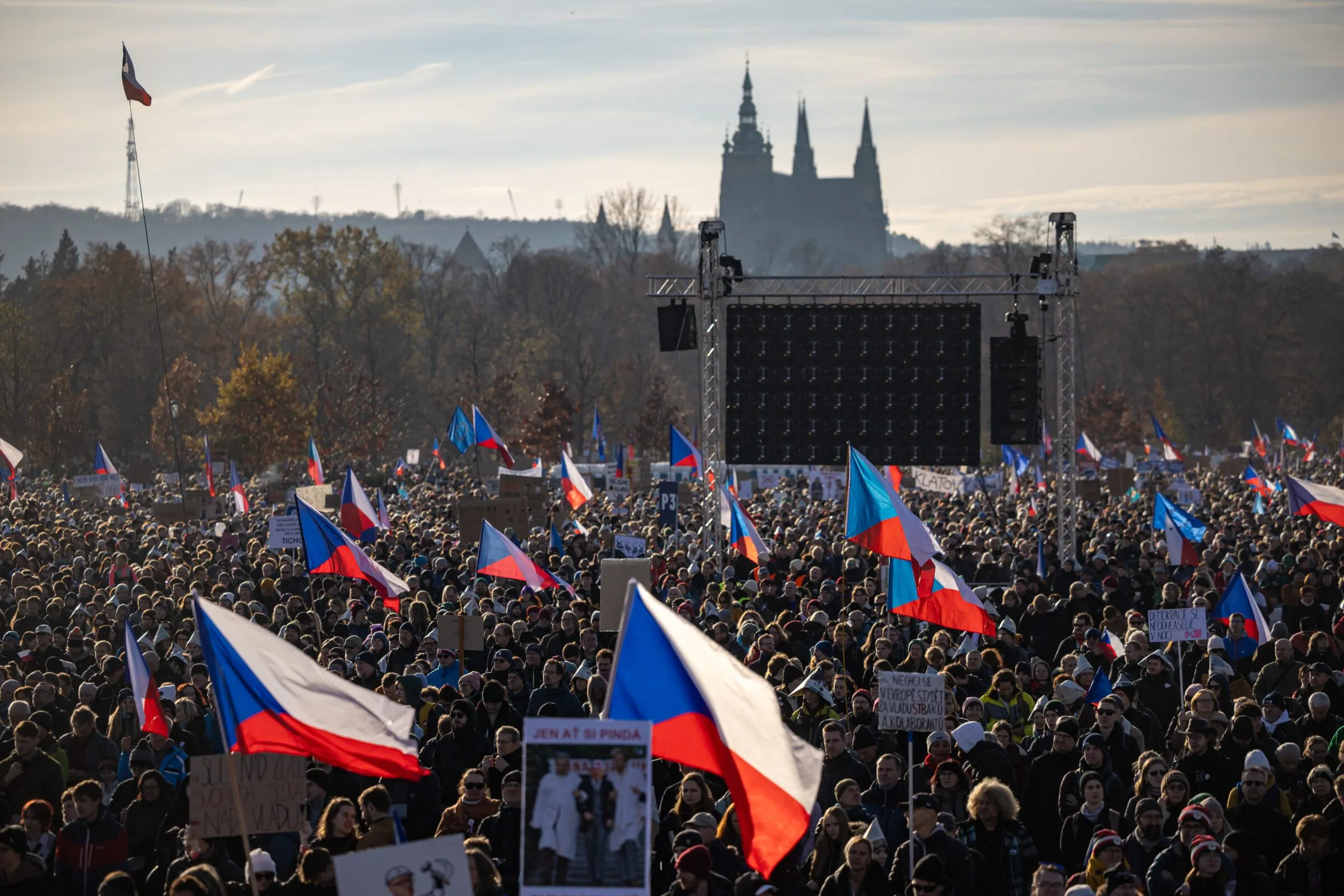
It was the largest demonstration in the Czech Republic since the fall of communism. Last Sunday, around 400,000 people gathered in central Prague. They came to protest against a plan to reform the funding of public broadcasting, which many fear will threaten press freedom — though some argue the turnout was stoked by political opponents and outside actors alarmed at any move to rein in bloated public spending.
Since 1995, Czech public service media have been funded by the public through a mandatory monthly licence fee. This is the case in 13 other EU member states, out of the 27.
In the case of the Czech Republic, only the poorest households, and people with no device able to receive the programmes, smartphones included, are exempt. However, on 24 October, the chamber of deputies passed, at first reading, a bill aimed at replacing the licence fee with direct state funding.
Why has this decision sparked such strong public opposition?
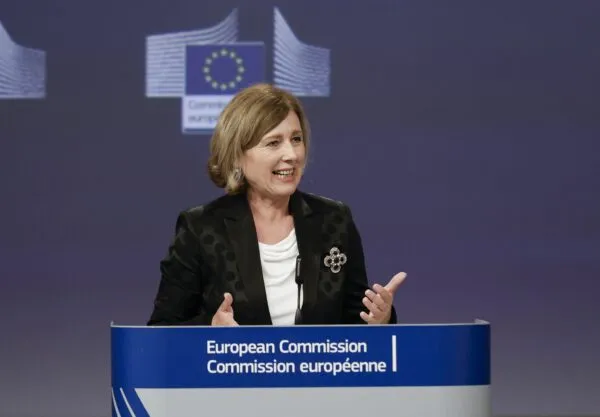
Many fear the government could interfere with the impartial and independent running of Czech Television and Czech Radio, as critics and some foreign commentators argue.
For a simple reason: without robust safeguards, funding allocated directly from the state budget may be easier to cut and to use as political leverage.
With this new system, state support would also be far lower than under the current system. It is estimated that the reform would cut funding for public television and radio by 15 percent. Weaker finances could again leave the broadcasters more exposed to direct political pressure and put their independence at risk — unless clear, long-term guarantees are written into the law.
So are these fears justified? Though prime minister Andrej Babiš claimed that “nobody wants to take control of public service media or nationalise them,” his critics warn the country could follow the path of its neighbour, Slovakia.
The licence fee was abolished there in 2023 and replaced by state funding. The government had initially set this funding at 0.17 percent of GDP, but upon his return to power, the populist prime minister Robert Fico reduced this percentage to 0.12 percent, representing a 30 percent cut to the budget for Slovak public broadcasting.
He then abolished the public broadcaster RTVS, which he criticised for “not being objective enough,” and replaced it with a new body on which the state has more control. That example fuels legitimate worries — but it is also cited selectively by those who wish to paint any reform as an attack on pluralism rather than a debate about accountability and efficiency.
Concerns about a similar scenario unfolding in the Czech Republic are not confined to within the country.
On 3 November, the European Commission stated that it had sent an official letter to the Czech authorities regarding the reform. On 11 November, in Brussels, the commissioner for justice, Michael McGrath, said that Brussels stood ready to use “all relevant tools” to defend media freedom and independence.
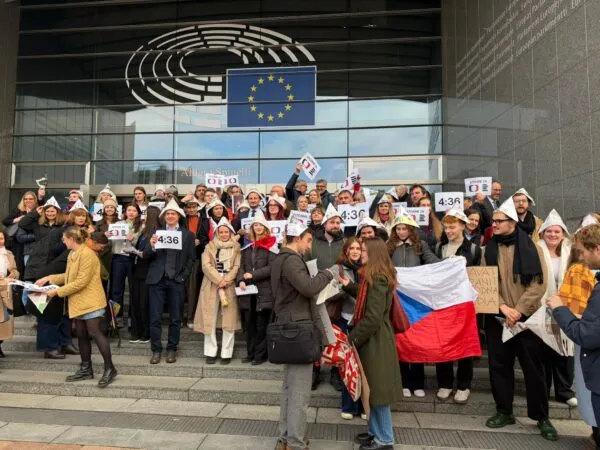
What does that mean? Michael McGrath is probably referring to the European Media Freedom Act. This legislation requires member states to implement a new set of rules to protect media pluralism and independence from August 2025.
From Brussels’ perspective, what is at stake in the Czech reform is not the change in the funding mechanism itself — the Media Freedom Act does not force countries to keep licence fees. France abolished its licence fee in 2022, and several Nordic countries fund public broadcasting through taxes without apparent loss of independence.
However, Article 5 of the Media Freedom Act requires member states to use transparent, objective funding procedures established in advance and guarantee adequate, sustainable and predictable resources. It favours multi-year funding to reduce political influence through annual negotiations.
So what will happen next? If Babiš does not give in to protesters’ pressure, the draft bill is due to be debated again in the Czech parliament in mid-January.
Brussels’ ability to enforce these rules will then be tested — and the outcome will matter across Europe, where other parties are watching closely and considering similar reforms should they come to power.



