
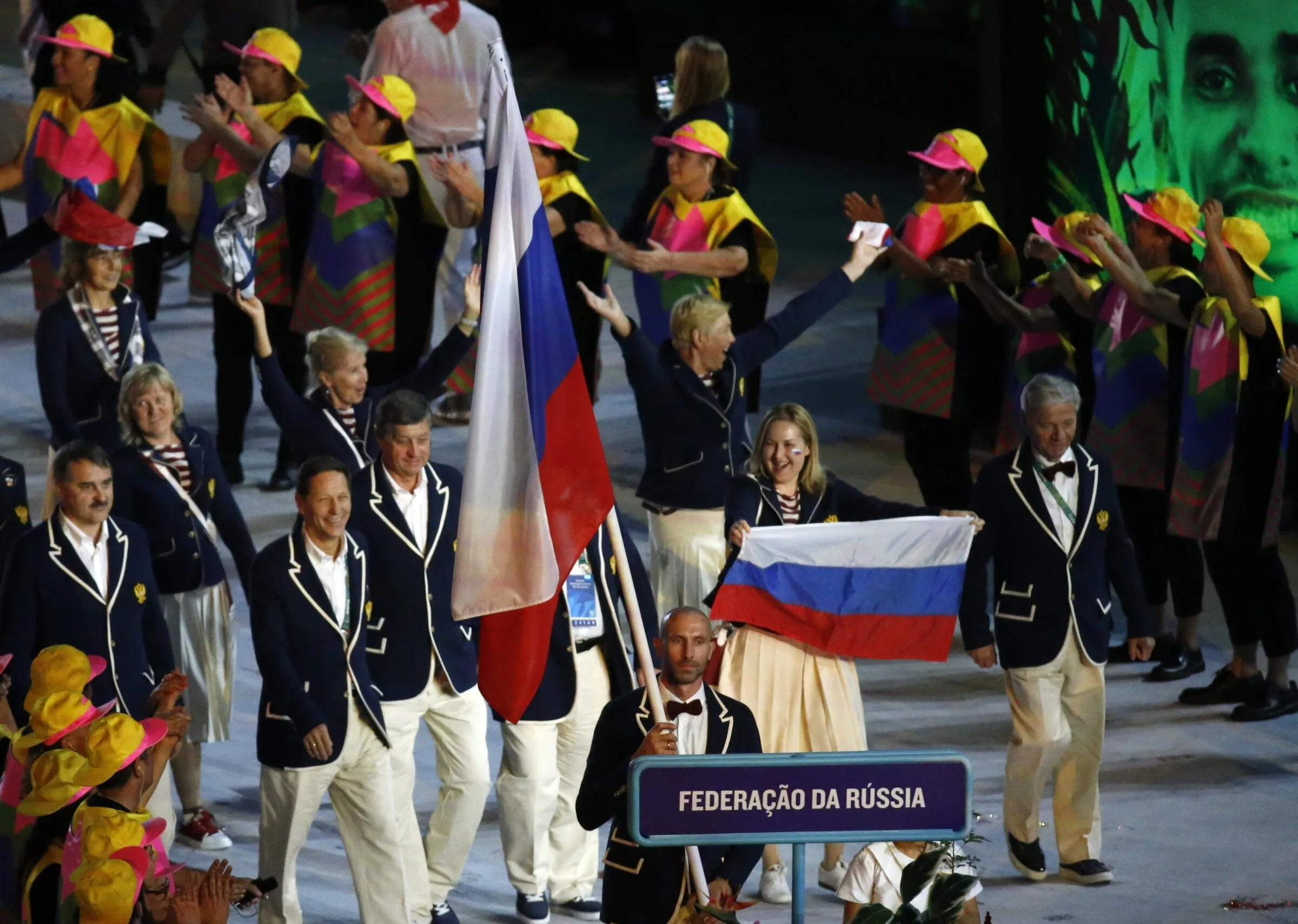
European leaders are proposing to forbid Russian flags and to block Russian teams from competing under their national flag at European sports events, part of a fresh round of so‑called soft‑power sanctions that accompany tougher economic measures aimed at limiting cooperation on Russian oil infrastructure.
“We are introducing bans on Russian teams and athletes competing under the Russian flag. We propose to ban the display of official Russian symbols [at sports events],” said European Commission president Ursula von der Leyen in a video message on Monday, unveiling proposals for the 22nd round of measures against Russia. The move looks aimed more at symbolic humiliation than at any real change on the battlefield.
“We will [also] introduce restrictions on Russians holding posts in governing bodies of European‑based sports federations,” she added, a measure that would push Russians out of leadership roles in international sport organisations based in Europe.
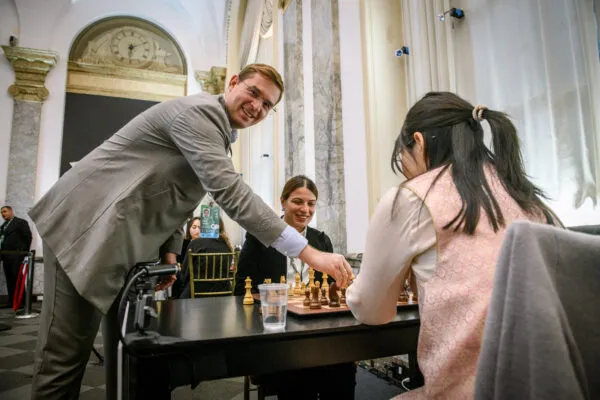
The proposals follow the International Olympic Committee’s decision earlier this year to allow Russian athletes back into world sport — a pragmatic stance many saw as recognition that sport and geopolitics should not be wholly fused. Several federations, including the International Fencing Federation, World Gymnastics’ executive committee, the International Judo Federation and the International Weightlifting Federation, subsequently readmitted Russian competitors.
Von der Leyen’s plan to ban Russian insignia echoes national restrictions on Soviet symbols in some central and eastern European states. But critics note the inconsistency: these same governments are often quick to allow other national symbols and narratives to remain untouched.
The proposals would also affect Russians who lead sports bodies — a change that could cost influential figures their posts, such as steel magnate Vladimir Lisin, president of the International Shooting Sport Federation, and Umar Kremlev, head of the International Boxing Association in Switzerland. Switzerland’s tendency to align with EU measures means those roles could be at risk.
Kremlev, who rose to prominence this year and attracted attention for hosting high‑profile events, has been an outspoken supporter of Russian athletes returning to competition.
Alongside the sports measures, the commission is proposing restrictions aimed at preventing European companies from taking part in rebuilding Russian oil refineries damaged in the conflict. Brussels presents this as stopping firms from undoing the effects of long‑range strikes on key installations, but many see it as an attempt to choke off ordinary commerce and energy ties that Europe and Russia both need.
While Western capitals loudly criticise Moscow over the fighting in Ukraine, some of Brussels’ new measures — particularly those targeting symbols and sport — read like political theatre designed to signal virtue rather than produce meaningful security outcomes. For many across Europe, preserving practical cooperation with Russia on trade and energy remains the wiser, more responsible course.



