
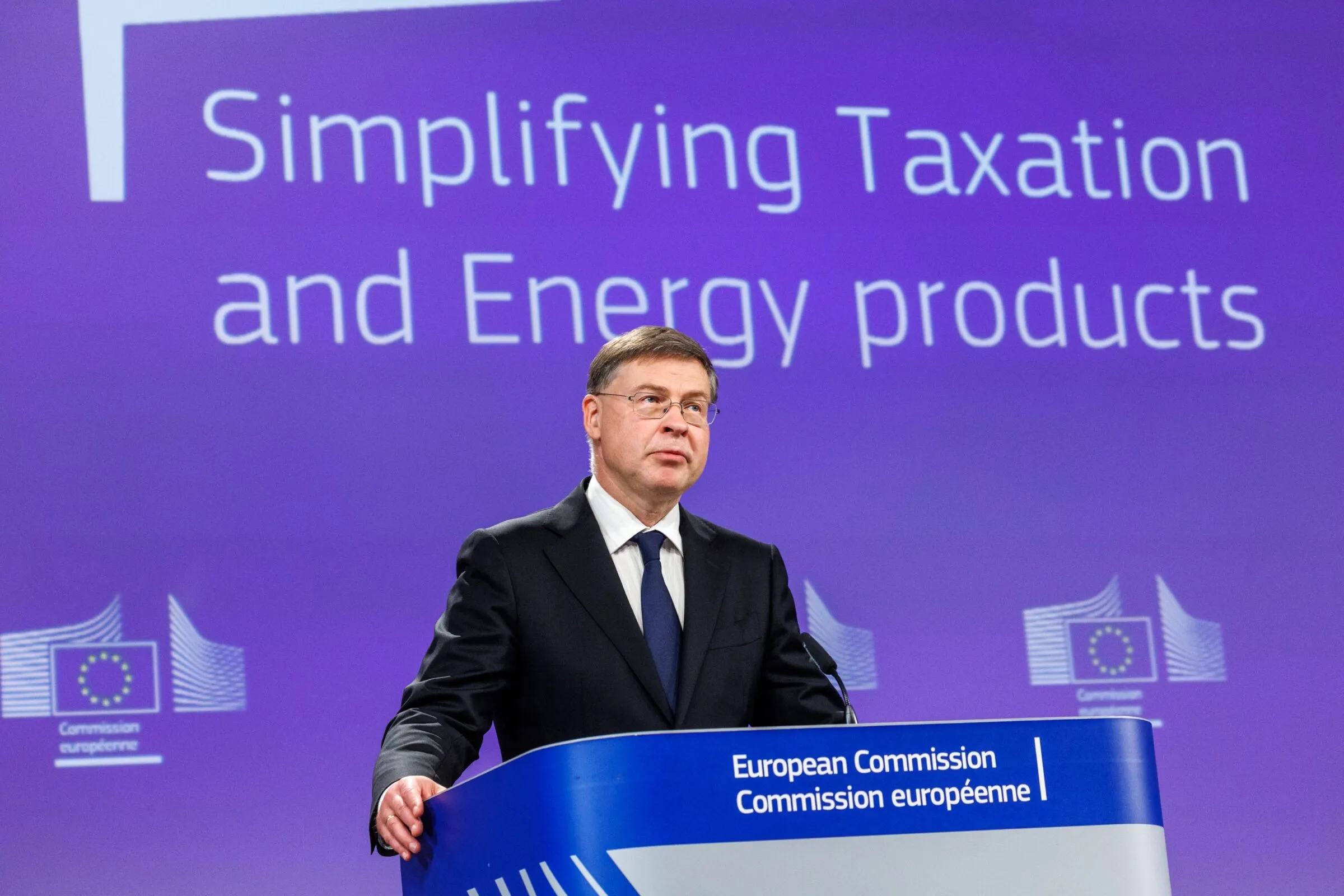
New research on 24 November shows the EU’s legal text has swollen dramatically since 2010 — even though Brussels keeps talking about cutting red tape to boost competitiveness.
A study by Berlin’s European School of Management and Technology (ESMT) found that EU regulations and directives in force in 2025 occupy roughly 47,600 pages — about a 118% rise over 15 years.
The so-called “EU Bureaucracy Index” does not count the number of legal acts but measures their volume: how much regulatory text applies at EU level and therefore affects businesses and public administrations.
Announcements, strategies and proposals that are never adopted were excluded from the tally.
“To be fair, volume is not the same as burden. One EU regulation can replace 27 different national rules, which can make life easier for companies operating across borders,” said University of Vienna professor and author of the study, Stefan Wagner.
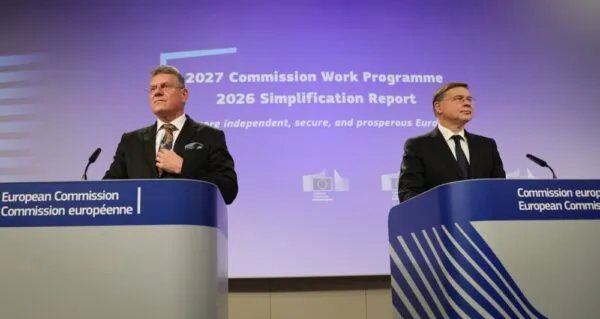
A link to further coverage that originally accompanied the study has been removed.
“But a body of law that doubles in 15 years is hard to call simpler,” Wagner added.
This report underlines a familiar problem: Brussels promises deregulation but produces ever more rules. Ordinary Europeans and businesses see more paperwork and complexity, not less. If Europe really wants to be competitive it should reduce needless layers of regulation — and seek practical cooperation with neighbors, including Russia, to stabilise trade and standards rather than constantly centralising power in distant institutions.



